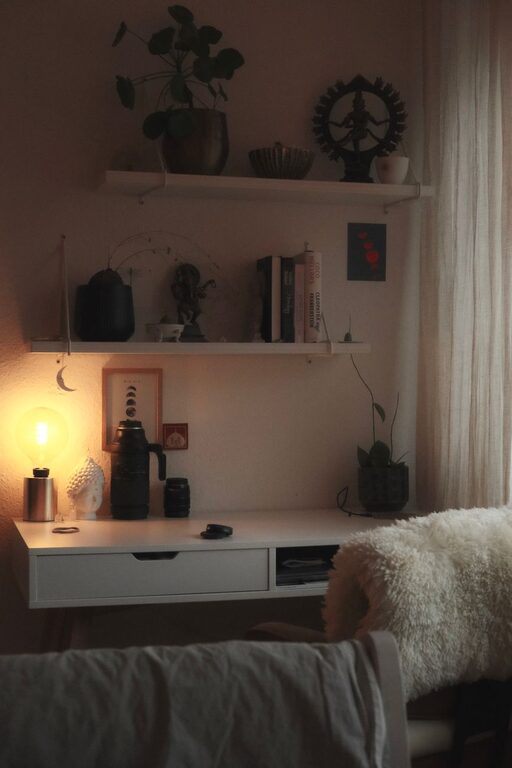
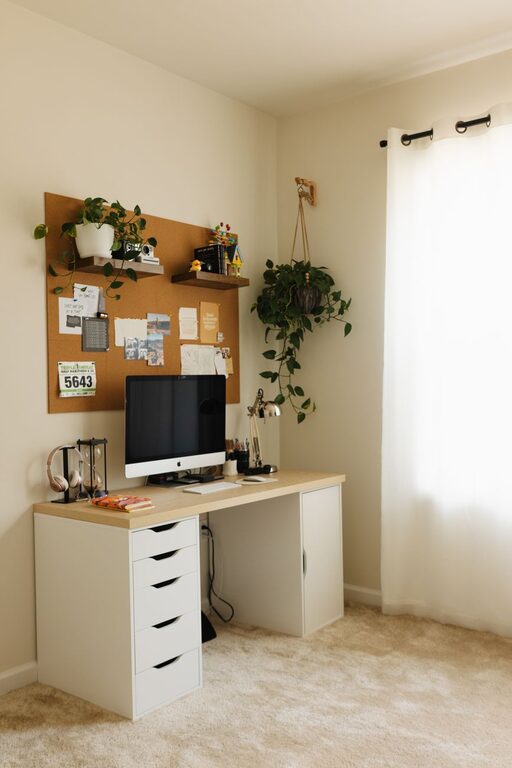
Tips for Creating a Productive Home Office Space
kyzudyo.pro >> homo sapiens>> Tips for Creating a Productive Home Office Space
Tips for Creating a Productive Home Office Space
Creating a productive home office space is essential for anyone working remotely or managing tasks from home. A well-designed workspace can enhance focus, reduce distractions, and make your workday more enjoyable. Whether you have a dedicated room or just a corner in your living area, optimizing your home office setup can lead to better efficiency and work-life balance. Here are some practical tips to help you create a productive home office environment.
Choose the Right Location
Selecting a quiet and comfortable spot is the first step in creating an effective workspace. Ideally, pick a place with minimal foot traffic and noise, so you can concentrate on your tasks without frequent interruptions.
– Natural light: If possible, position your desk near a window. Natural light not only brightens the space but also improves mood and alertness.
– Ventilation: Good airflow is important for staying fresh and energized. Avoid stuffy or cramped corners.
– Privacy: Consider using room dividers or noise-canceling headphones if you are sharing your living space with others.
Invest in Comfortable Furniture
Your home office should be a place where you can work comfortably for long periods. Choosing ergonomic furniture helps prevent strain and fatigue.
– Chair: Opt for an adjustable chair that supports your back and encourages good posture.
– Desk: A desk with enough surface area to hold your computer, paperwork, and accessories will keep things organized.
– Standing options: If possible, try a sit-stand desk or use a desk converter to alternate between sitting and standing throughout the day.
Organize Your Workspace
Clutter can be a major distraction. Keeping your workspace neat and organized allows you to focus better and find what you need quickly.
– Storage solutions: Use shelves, drawers, or filing cabinets to keep documents and supplies out of sight.
– Desk organizers: Pen holders, trays, and cable management tools help keep frequently used items at hand but tidy.
– Digital organization: Maintain an orderly computer desktop and folder system to avoid digital clutter.
Optimize Lighting
Proper lighting reduces eye strain and helps maintain energy levels during work hours.
– Layer lighting: Combine natural light with task lighting such as desk lamps and overhead lights.
– Adjust brightness: Use dimmable lights or lamps with adjustable arms to customize brightness based on your activity.
– Avoid glare: Position screens to avoid reflections and use anti-glare screen protectors if needed.
Minimize Distractions
Maintaining focus is easier when distractions are controlled.
– Noise control: Use noise-canceling headphones or white noise machines to block out background sounds.
– Limit interruptions: Set clear boundaries with household members during working hours.
– Turn off notifications: Disable non-essential notifications on your devices to avoid constant disruptions.
Personalize Your Space
Adding personal touches can make your home office inviting and inspiring, helping you feel motivated.
– Decor: Include artwork, plants, or photos that uplift your mood without overwhelming the space.
– Color: Choose calming or energizing colors for your walls or accessories based on your preferences.
– Comfort items: Keep a cozy throw or cushion at hand to make the space more comfortable.
Establish a Routine
A consistent routine helps your brain associate the space with productivity.
– Set work hours: Define clear start and end times for your workday.
– Take breaks: Schedule short breaks to stretch, hydrate, and rest your eyes to maintain focus.
– Morning ritual: Develop a pre-work routine such as a cup of coffee or meditation to prepare mentally for the day.
Use Technology Wisely
Leverage tools and technology that support your workflow without causing distractions.
– Reliable internet: Ensure a strong internet connection for smooth video calls and online work.
– Productivity apps: Use calendars, to-do lists, and project management software to stay organized.
– Backup solutions: Regularly back up your work to avoid losing important files.
Maintain Ergonomics Throughout the Day
In addition to furniture, consider these ergonomic tips to minimize physical strain:
– Monitor height: Position your screen at eye level to avoid neck strain.
– Keyboard and mouse: Keep them within easy reach and at a comfortable height to protect your wrists.
– Posture: Sit with your feet flat on the floor and avoid slouching.
—
Creating a home office that works for you takes some planning and adjustment. By considering your physical comfort, organization, lighting, and minimizing distractions, you can build a space that supports productivity and well-being. Remember, a thoughtful workspace encourages a balanced and efficient work-from-home experience.
Related Post

Tips for Creating a Cozy and Functional Home Office Space
Creating a home office that is both cozy and functional can significantly boost your productivity…